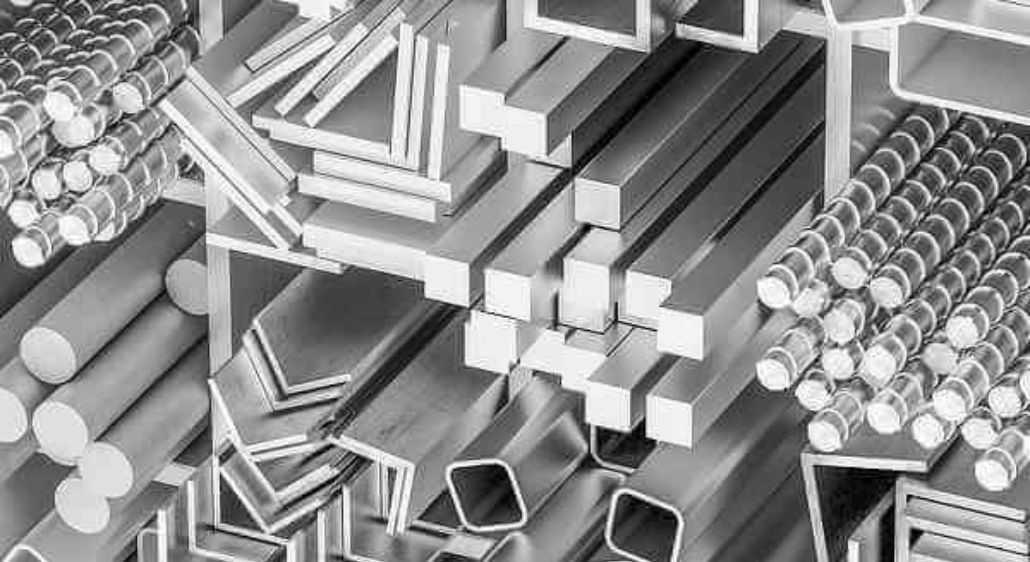
Every piece of industrial equipment starts with a material decision, and that decision shapes safety margins, maintenance schedules, fabrication cost, and how long the finished component lasts in service. Engineering materials cover the full range of substances used to build industrial equipment, structures, and components, from structural steel through specialized corrosion-resistant alloys. Industrial alloys matter because they’re engineered to deliver properties raw metals can’t offer alone, combining strength, corrosion resistance, and temperature tolerance in ratios a single element never achieves. Material performance in the field depends on several factors together: operating temperature, pressure, chemical exposure, mechanical load, and the applicable industry standard. This guide walks through the major material families, how to compare them, and where each one earns its place across industry.
What Are Engineering Materials?
Engineering materials are substances selected and processed for use in structural, mechanical, or industrial applications, chosen for a defined combination of properties rather than convenience or cost alone. They fall into three broad categories. Metallic materials, including steel and nonferrous alloys, dominate structural and pressure-bearing applications. Non-metallic materials, like polymers and ceramics, fill roles where weight, insulation, or chemical inertness matters more than raw strength. Composite materials combine two or more distinct materials to achieve a property profile neither component delivers alone. Matching material category to application requirement is what keeps equipment running safely and predictably.
Types of Industrial Alloys
Industrial alloys split into two major families. Ferrous alloys, built around an iron base, include stainless steel, alloy steel, and carbon steel, covering the bulk of structural and general industrial applications. Non-ferrous alloys skip iron entirely, covering nickel alloys, titanium, copper alloys, and aluminium alloys, each suited to applications where ferrous materials fall short on weight, corrosion resistance, or specialized performance.
Ferrous vs Non-Ferrous Alloys
The distinction comes down to chemical composition: ferrous alloys contain iron as their primary element, while non-ferrous alloys don’t. That difference cascades into nearly every practical property that matters for selection.
| Factor | Ferrous Alloys | Non-Ferrous Alloys |
| Base Element | Iron | Non-iron (nickel, copper, aluminium, titanium) |
| Strength | High | Varies, often lower per unit weight |
| Weight | Heavier | Generally lighter |
| Corrosion Resistance | Moderate, grade-dependent | Often superior |
| Cost | Lower | Higher |
| Typical Applications | Structural, general industrial | Corrosion-critical, lightweight, specialized |
Corrosion Resistant Engineering Materials
Corrosion describes the gradual chemical or electrochemical degradation of a material through environmental exposure, and it comes in several forms: general surface corrosion, pitting, crevice corrosion, and stress corrosion cracking among the most common. Material selection is the primary defense against all of them, since the right alloy’s protective properties, typically a stable oxide layer, resist the specific attack mechanism a given environment presents. Corrosion-Resistant Engineering Materials span stainless steel for general service, duplex and super duplex grades for higher-chloride environments, titanium for extreme corrosion resistance, and Hastelloy and other nickel alloys for the most aggressive chemical conditions industry encounters.
Stainless Steel Materials
Stainless steel earns its corrosion resistance from chromium content, typically at least 10.5%, which forms a self-healing protective oxide layer on the surface. Benefits include strength, weldability, hygienic surfaces, and a service life that outlasts plain carbon steel in most environments. Grades vary by composition: 304 and 304L cover general-purpose use, 316 and 316L add molybdenum for improved chloride resistance, 321 resists sensitization at high temperature, 310 handles sustained heat exposure, and 904L pushes further into high-corrosion chemical service. Duplex and super duplex grades combine austenitic and ferritic structures for a strength and corrosion resistance combination standard austenitic grades can’t match.
Nickel-Based Alloys
Nickel based alloys build on a nickel matrix with additional elements, chromium, molybdenum, copper, or iron depending on the family, to deliver corrosion and temperature resistance beyond stainless steel. Inconel handles high-temperature oxidation resistance across aerospace and power generation. Monel, a nickel-copper alloy, resists seawater and reducing acids particularly well. Hastelloy covers some of the most aggressive chemical environments industry encounters, including strong acids that would degrade lesser alloys quickly. Incoloy bridges the gap between stainless steel and full nickel alloys, useful in elevated-temperature service where a full nickel alloy isn’t strictly necessary.
Titanium Materials
Titanium alloys combine genuinely high strength with remarkably low weight, a ratio few structural materials match. Corrosion resistance holds up well across seawater, chlorides, and many industrial chemicals, and different grades balance strength, weldability, and cost differently depending on application demands.
Material Selection Guide
Selecting the right engineering material means weighing several factors together, not any single property in isolation: operating temperature, pressure, chemical exposure, wear resistance, mechanical strength, weldability, cost, availability, and applicable industry standards. Choosing Engineering Materials for Harsh Environments typically narrows to corrosion-resistant alloys, while Materials for High-Temperature Applications point toward nickel alloys or heat-resistant stainless grades. Pressure vessel applications add code compliance on top of the material’s inherent properties.
Engineering Materials by Industry
Oil & Gas
Duplex, super duplex, Inconel, and stainless steel dominate oil and gas applications, chosen for their combined strength and resistance to sour service and chloride exposure.
Chemical Processing
Hastelloy, titanium, and nickel alloys handle chemical processing environments where aggressive acids and mixed chemical exposure rule out standard stainless steel.
Marine Engineering
Monel, duplex, and titanium serve marine applications, standing up to continuous seawater exposure that would corrode lesser materials within a few seasons.
Aerospace
Titanium, Inconel, and nickel alloys cover aerospace manufacturing, where strength-to-weight ratio and high-temperature performance both matter simultaneously.
Material Standards
ASTM, ASME, ISO, EN, DIN, and UNS standards govern material chemistry, mechanical properties, and testing requirements across industry. These standards exist so a material specified on one continent performs identically to the same grade sourced elsewhere, which is what makes international project sourcing reliable.
Conclusion
Engineering materials and industrial alloys cover an enormous range of properties, from the general strength of carbon steel through the extreme corrosion resistance of Hastelloy and titanium. Understanding how ferrous and non-ferrous families differ, how corrosion resistance works, and which alloy suits which industry gives engineers and procurement teams a genuine head start on material selection. Choosing the right alloy for a given application remains one of the highest-leverage decisions in any industrial project, worth the time it takes to evaluate properly.